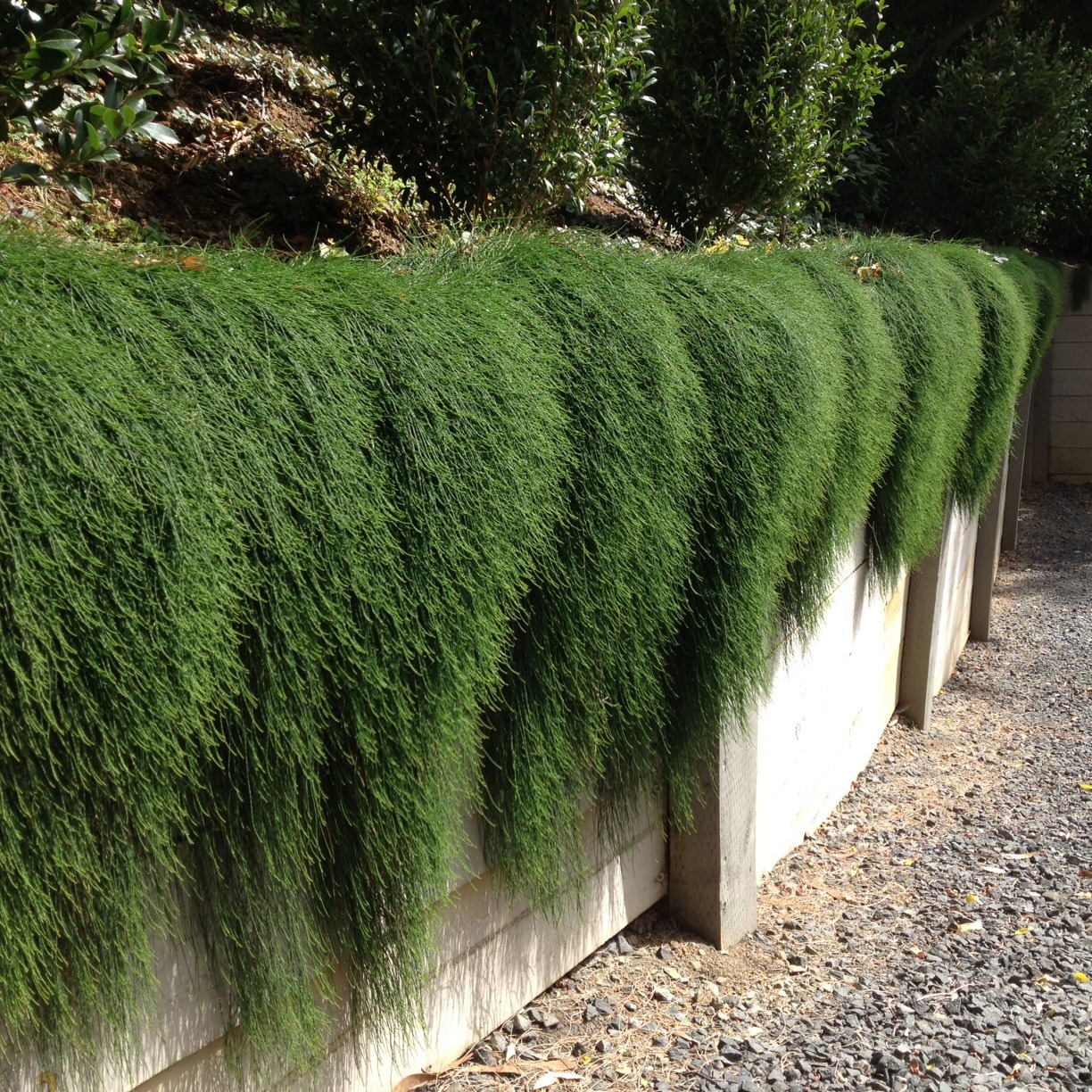
Welcome to GardenGreen, where our mission is to fuse our love for nature with expert insights to help you cultivate beautiful, thriving spaces. Today, we’re focusing on a plant that’s as quirky as it is captivating: Casuarina glauca ‘Cousin It’. This Australian native, with its mop-like cascade of green tendrils, is a favorite for adding a unique, carefree touch to gardens. However, as any seasoned gardener knows, “carefree” doesn’t mean “no care.” When your ‘Cousin It’ starts to look less like a happy-go-lucky plant and more like a brown, brittle mess, it’s time for a little intervention. This guide, brought to you by our team of interior and landscape experts, will walk you through the essential steps to keep your ‘Cousin It’ thriving, drawing on lessons learned from varied climates, from Brisbane’s humidity to Adelaide’s dry heat.
Understanding Your ‘Cousin It’ Plant
Before we get to the fix, it’s crucial to understand the plant itself. Casuarina glauca is a she-oak, and ‘Cousin It’ is a low-growing, groundcover variety. Its unique appearance comes from its “branchlets”—the fine, needle-like tendrils that are often mistaken for leaves. These are actually modified stems, which helps the plant conserve water in its native, often dry, environment. This feature is key to its resilience but also makes it susceptible to certain stresses. ‘Cousin It’ is generally hardy, drought-tolerant, and can handle a range of soil types, but it’s not invincible.
Common Problems and Their Solutions
When your ‘Cousin It’ is looking sad, it’s usually one of a few key issues. Here’s how to diagnose and treat the most common problems:
1. Browning and Thinning Strands
- Problem: This is the most frequent complaint. The vibrant green tendrils turn brown and dry out, and the plant appears to be losing its density.
- Cause: The primary culprits are usually under-watering or over-exposure to harsh sun, especially in hot, dry climates. While ‘Cousin It‘ is drought-tolerant, it’s not drought-proof, particularly in a pot or during its establishment phase. Conversely, in humid areas, poor drainage leading to root rot can also cause browning.
- Solution:
- For Dryness: Water deeply and less frequently. Instead of a daily sprinkle, give it a thorough soak once or twice a week, allowing the water to penetrate the root zone. Check the soil moisture by sticking your finger about an inch or two down—if it’s dry, it’s time to water.
- For Humidity/Root Rot: Ensure the plant is in well-draining soil and a pot with good drainage holes. Amend heavy clay soils with organic matter and grit to improve drainage. Let the soil dry out slightly between waterings.
2. Lack of Growth and Vigor
- Problem: The plant seems to be stalled. It’s not browning, but it’s not growing or getting any fuller either.
- Cause: This is often a sign of nutrient deficiency or compacted soil. ‘Cousin It’ isn’t a heavy feeder, but it still needs a balanced diet to thrive.
- Solution:
- Fertilizing: A light application of a slow-release native plant fertilizer in early spring can give it the boost it needs. Look for a low-phosphorus formula, as many Australian natives are sensitive to high levels of this nutrient.
- Soil Aeration: If the soil is compacted, gently aerate it with a garden fork around the base of the plant, being careful not to damage the roots. This will improve water and nutrient uptake.
3. Pests and Diseases
- Problem: Visible pests or unusual spotting on the tendrils.
- Cause: While ‘Cousin It’ is quite resistant, it can occasionally be affected by scale insects or other pests. Fungal issues are rare but can occur in very wet conditions.
- Solution:
- Pest Control: For a minor infestation, a strong spray of water can dislodge pests. For more persistent issues, a horticultural oil or neem oil spray can be effective. Always test on a small section of the plant first.
- Disease Prevention: The best defense is to ensure the plant has good air circulation and is not overwatered. This prevents the humid, stagnant conditions where fungal problems can flourish.
The ‘GardenGreen’ Philosophy Proactive Care
The key to a lush ‘Cousin It’ isn’t just reacting to problems—it’s about proactive, preventative care. Here are some of our best tips:
- Location, Location, Location: Choose the right spot from the start. ‘Cousin It’ loves full sun to partial shade. Ensure it’s not in a spot that gets blasted by reflected heat from a wall or path, which can cause scorching.
- Mulch Matters: A good layer of organic mulch, like wood chips or pea straw, around the base of the plant will help conserve soil moisture, regulate temperature, and suppress weeds.
- Strategic Pruning: Don’t be afraid to give your ‘Cousin It’ a light trim. A gentle prune can remove any dead or browning sections and encourage new, dense growth. You can even shape it to maintain its size and form.
Conclusion
At GardenGreen, we believe that every plant, even the most low-maintenance ones, benefits from a little love and attention. The ‘Cousin It’ plant is a perfect example of this. With the right knowledge and a little care, you can transform a sad, thinning plant into a vibrant, flowing centerpiece that brings a touch of unique Australian beauty to your garden. Embrace the process, learn from your plant, and enjoy the journey of cultivating your own piece of greenery.